William Henry Jackson
Photographer · United States
Photographer and pioneer of American landscape photography, best known for images of Yellowstone that helped establish it as the first national park. My work documents the raw, monumental scale of the American West through the early art of the camera.
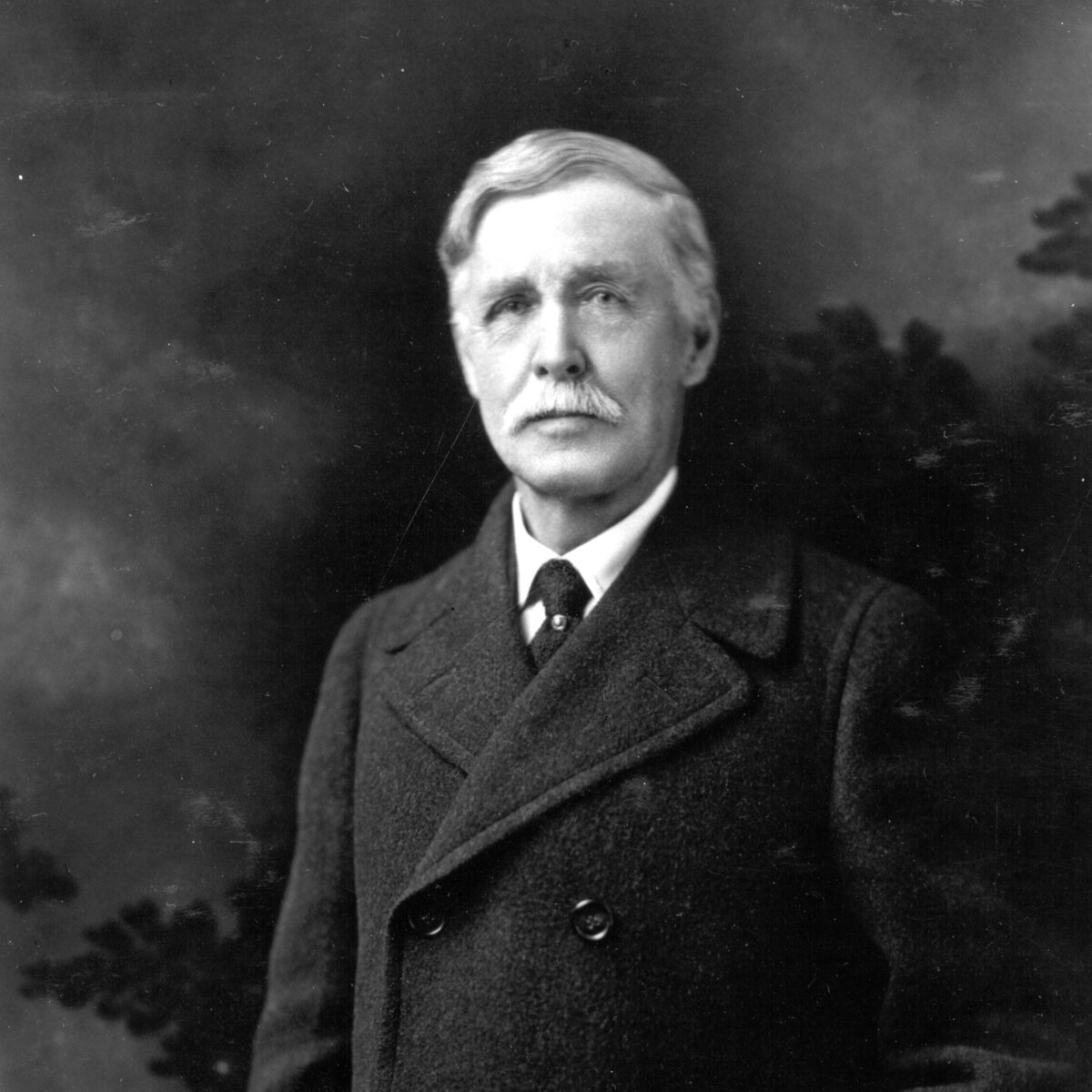
In the artist's words
Born in Keeseville (New York) on April 4, 1843, he was the eldest of seven children of George Hallock Jackson and Harriet Maria Allen. His mother Harriet, a noted watercolorist, studied at the Troy Female Academy and then at Emma Willard's school. She likely passed on to her son the passion for painting he had practiced since early childhood. Jackson spent his childhood in Troy (New York) and Rutland. He served in the Civil War in Company K of the 12th Vermont Infantry Regiment, taking part in the Battle of Gettysburg. After the war, he headed for the Far West aboard the Union Pacific railroad. In 1866, he reached the Great Salt Lake via the Oregon Trail. The following year, he settled in Omaha and began a career as a photographer with his brother Ed. He photographed the region's Native American tribes (Osage, Oto, Pawnee, Winnebago, and Omaha).
In 1869, Jackson was hired by the Union Pacific Railroad to photograph the areas bordering the rail line for promotional purposes. In 1871, he took part in the U.S. government survey expedition (forerunner of today's USGS) into the Yellowstone and Rocky Mountains region, led by geologist Ferdinand Hayden. The painter Thomas Moran was also on this expedition, and the two artists worked together to bring back numerous photographs of the untamed West.
The Ferdinand Hayden expedition.
Jackson's photographs introduced Americans to the landscapes of the Rockies, notably the Grand Teton range, Old Faithful geyser, and Yellowstone, as well as to the region's tribes such as the Utes. His work was decisive in the decision to establish America's first national park at Yellowstone in March 1872.
Jackson in 1939
Jackson exhibited his photographs and models of the Ancestral Puebloan structures he had observed at Mesa Verde at the 1876 Philadelphia World's Fair. He opened a studio in Denver, Colorado. In the 1890s, he was sent by Marshall Field to gather photographs and specimens for display in Chicago's new museum
- Lives
- United States
- Works available
- 5